Request for Proposal of
Advisory review of Master Plan (D) of
gas turbine engine structural integrity
The information in this document is proprietary information of KARI and is disclosed in confidence.
The technical data is the property of KARI and shall not be used, disclosed to others or reproduced
without the express written consent of KARI, including, but without limitation, it is not to be used in
the creation, manufacture, development, or derivation of any repairs, modifications, spare parts,
designs, or configuration changes. If consent is given for reproduction in whole or in part, this notice
and the notice set forth on each page of this document shall appear in any such reproduction in whole
or in part.
2026. 7.

SOW of Advisory review of Master Plan (D)
2
Table of Contents
Conditions for modification and cancellation of SOW................................................4
2.1
Structural integrity of gas turbine engines....................................................................6
2.2
Master Plan for engine structural integrity...................................................................6
3.2
Advisory review of the structural integrity Master Plan...............................................7
3.3 Kick-off and Final meeting.............................................................................................8
SOW of Advisory review of Master Plan (D)
3
1
General Information
1.1
Project Information
Gas turbine engine structural integrity project, initiated in 2022, is a research and
development program led by the Korea Aerospace Research Institute (KARI) and
supported by the Government of Republic Korea to establish core technologies for
gas turbine engine structural integrity. Aircraft gas turbine engines operate under
extremely demanding conditions, including high temperature, high rotational speeds,
and complex loading environments. Ensuring the structural integrity of engine
components under such conditions is a critical factor for engine safety and
certification. Therefore, a systematic structural integrity framework that includes
structural analysis, life assessment, damage tolerance evaluation, and reliability-
based assessment method is required.
This project mainly addresses the establishment of a structural integrity framework
and analytical methodologies for gas turbine engines, and aims to develop a Master
Plan for gas turbine engine structural integrity to support these activities.
1.2
Schedule and process
1.2.1 Schedule and location
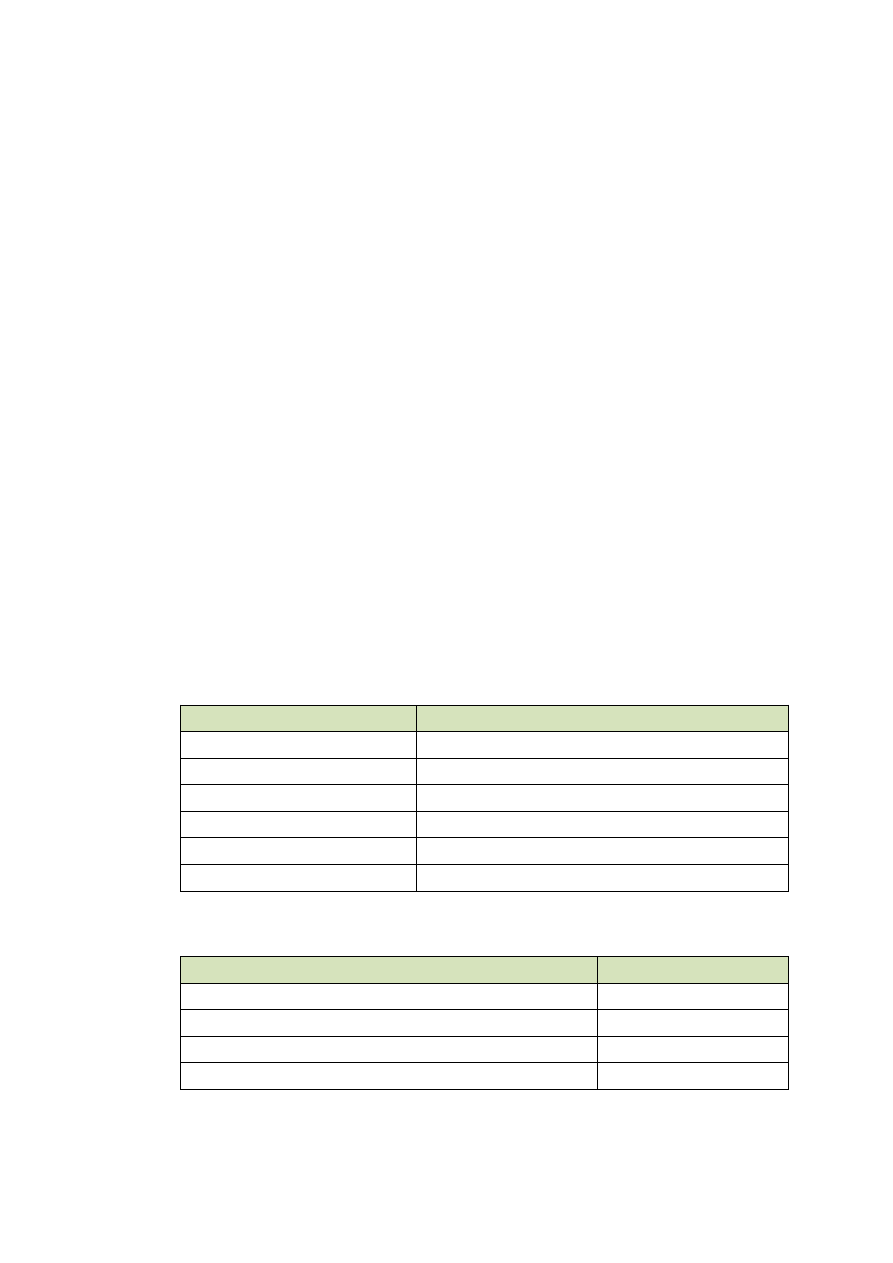
Table 1 Schedule
Time
Event
July, 2026
RFP release
August, 2026
Contract
August, 2026
Kick off meeting
End of every month
Q & A and Review meeting
November or December, 2026
Finial review meeting
December, 2026
Contract expiration
Table 2 Payment Schedule
Event
Payment (%)
After kick-off meeting
10%
After the interim report
20%
The delivery of the review report
50%
After the finial report
20%

SOW of Advisory review of Master Plan (D)
4
1.2.1.1 Kick off meeting shall be held via video conference., but it can be changed (exact date will be
determined later). KARI will release the draft of Master Plan (D)
Q & A and Review meeting shall be held via video conference.
Final review meeting(face-to-face) shall be held at contractor’s location or Korea. (exact date
and location will be fixed later)
1.2.2 Selection process and schedule
1.2.2.1 Selection process
1.2.2.2 Inquiries related with a proposal preparation may be asked or sent by mail to the following
persons.
Jae Sung Huh, Ph.D.
Aeropropulsion Research Division
Korea Aerospace Research Institute
169-84 Gwahak-ro, Yuseong-Gu, Daejeon, Korea
jshuh@kari.re.kr
Tel) 82-42-860-2831 / Fax) 82-42-860-2626
1.3
Conditions for modification and cancellation of SOW
1.3.1 KARI reserves the right to change or modify the SOW if there is any change in the technical and
business requirements of the SOW even after SOW issuance. Upon the incurred changes or
modification of the SOW as above, the contractor shall submit the modified proposal in
accordance with the specific instructions provided by KARI.
1.3.2 KARI reserves the right to withdraw this SOW at any time with a written notice to the
contractor, in case of the proposal provided by the contactor does not meet the requirements of
the SOW.
1.4
Preparation of the proposal
1.4.1 Proposal shall be prepared in English.
1.4.2 The basic unit shall be SI unit. British unit of power and weight could be used as a
complementary unit. SI unit comes first and British unit shall be put in parentheses.
1.4.3 In order to substantiate a proposal, all relevant data shall be submitted as attachments. The
proposal which is improvable or based on vague presumptions shall be excluded.
1.4.4 All electronic files including documentary evidences shall be prepared with MS-WORD and
submitted by e-mail the address stated in Article 1.2.2.2.

SOW of Advisory review of Master Plan (D)
5
1.4.5 Time and date in the SOW are specified by the Korean Standard Time (GMT+09:00) and Date.
1.4.6 The proposal and relevant documents provided by contractor will not be returned.
1.5
Notes for the preparation of Proposal
1.5.1 This proposal constitutes a firm and irrevocable offer. All prices shall remain valid until the
final contract.
1.6
Authority of KARI
1.6.1 KARI reserves the right to reject proposals that are unrealistic or unreliable. KARI will not
disclose the result of proposal evaluation.
1.7
Maintenance of Secrecy
1.7.1 The contractor shall not disclose any part of this SOW without prior permission of KARI.
1.7.2 The contract may not, in any manner, advertise or publish any matter in relation to the
contractor’s proposal.
SOW of Advisory review of Master Plan (D)
6
2
Introduction
2.1
Structural integrity of gas turbine engines
Aircraft gas turbine engines are complex mechanical systems operating under severe
environments characterized by high temperatures, high rotational speeds, and combined
thermal and mechanical loading. Under these conditions, engine components are exposed to
various damage mechanisms such as fatigue, creep, and vibration, which may affect their long-
term structural reliability.
The structural integrity of engine components is therefore a key consideration throughout the
engine development process. Components such as compressors, combustors, turbines must be
designed and evaluated to withstand demanding operating conditions while maintaining the
required safety margins.
In addition, aircraft propulsion systems are subject to strict structure integrity requirements.
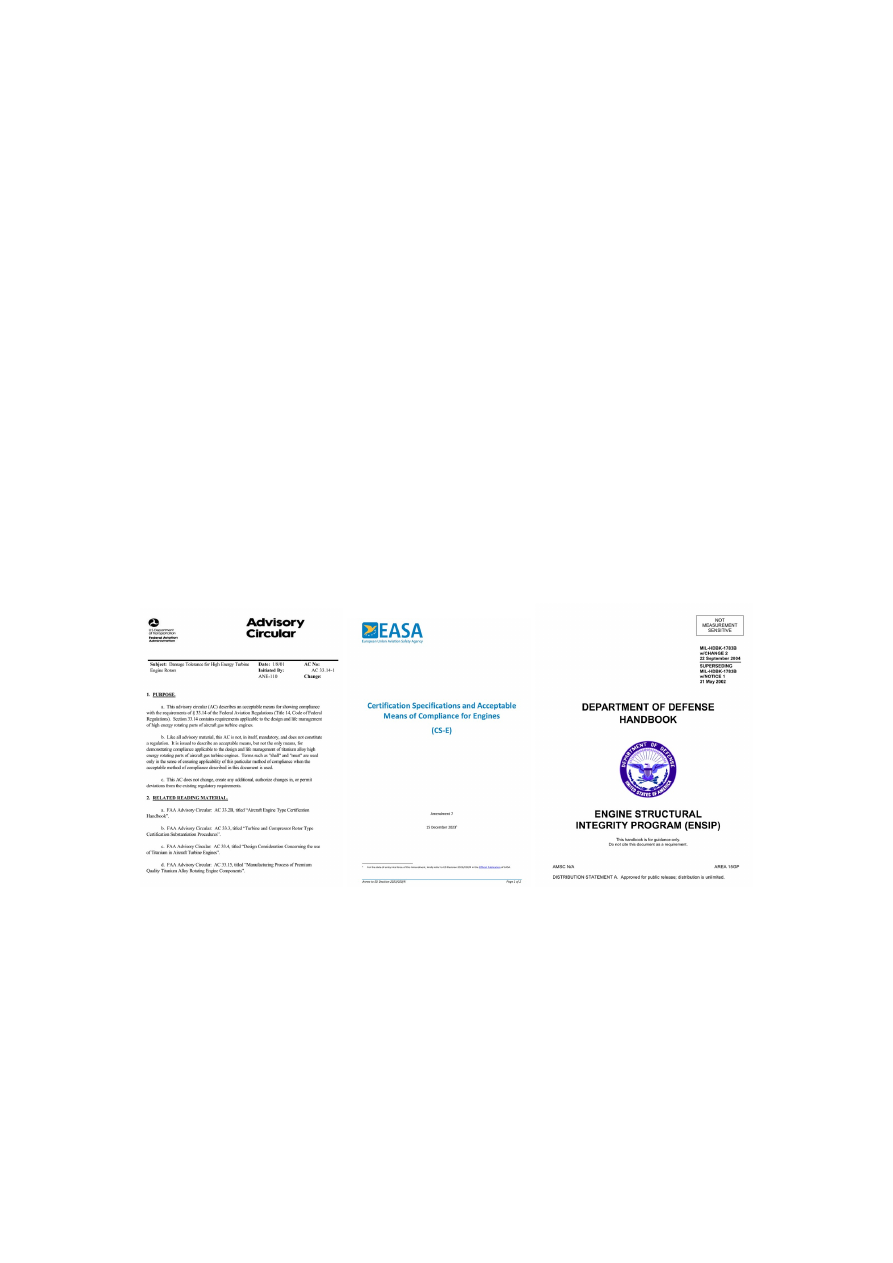
International aviation authorities, including FAA and EASA, establish certification standards to
ensure the safety and reliability of aircraft engines. These standards require comprehensive
evaluation and verification of the structural integrity of critical engine components.
Figure 1. Structural integrity programs (FAA, EASA, MIL)
2.2
Master Plan for engine structural integrity
To effectively address structural integrity requirements during engine development, a
systematic and integrated approach is necessary. This approach should define the analytical
methodologies, evaluation procedures, and technical strategies required to assess structural
integrity throughout the engine lifecycle.
SOW of Advisory review of Master Plan (D)
7
For this purpose, a structural integrity Master Plan is required to provide a structured
framework for managing structural integrity considerations in engine development programs.
The Master Plan is intended to outline the methodologies and processes necessary to support
structural integrity evaluation and to guide future gas turbine engine development activities.
3
Scope of work
3.1
General description
The goal of this project is to conduct a technical advisory review of the gas turbine engine
structural integrity Master Plan developed by KARI and to provide recommendations for
improving its technical completeness and applicability. The selected contractor shall review the
draft of Master Plan(D) and provide expert advisory input based on international best practice
in gas turbine engine structural integrity and airworthiness certification. The advisory activities
are expected to support the establishment of a systematic framework for structural integrity
management and to enhance the technical foundation for future gas turbine engine development
programs.
3.2
Advisory review of the structural integrity Master Plan
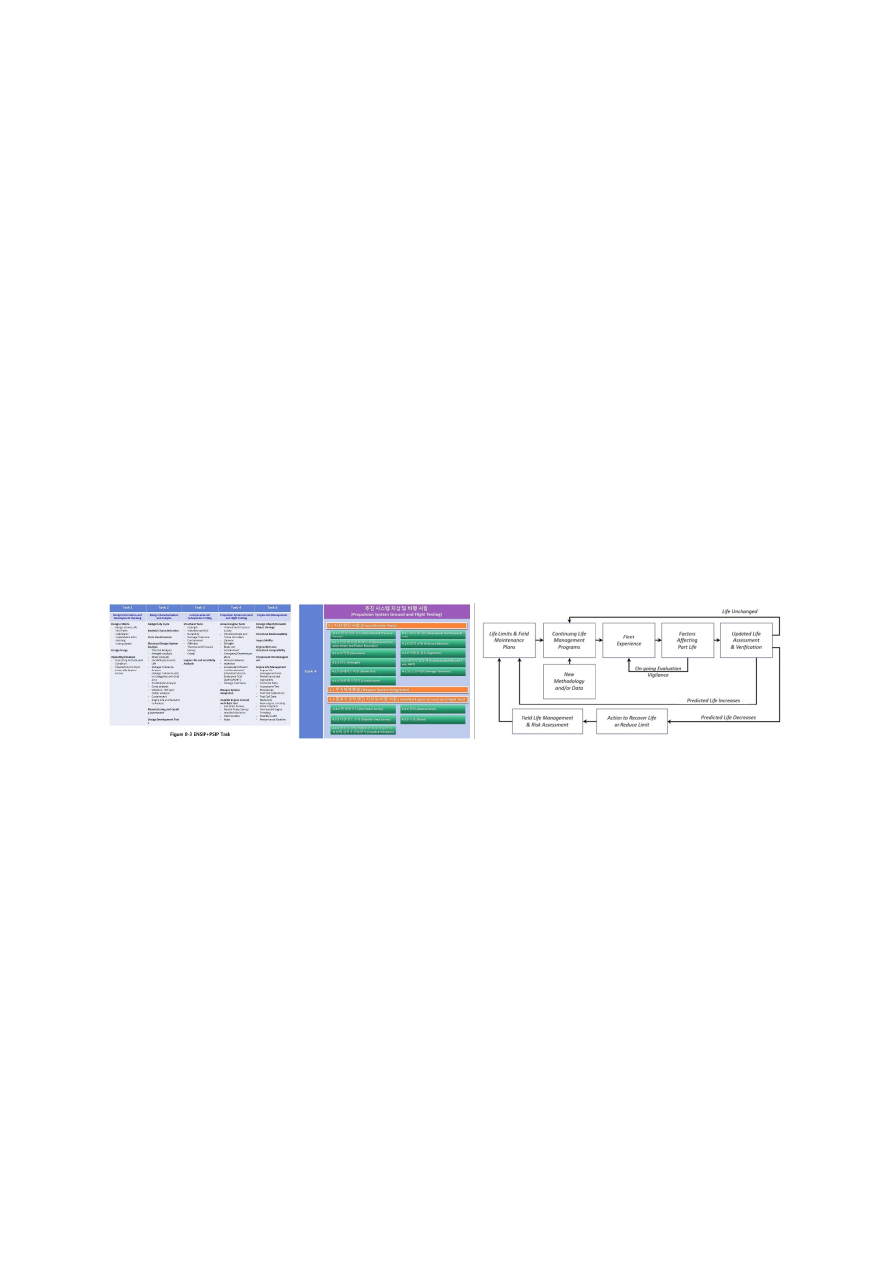
Fig. 2. Sample of Master Plan(D) draft
The contractor shall review the draft of gas turbine engine structural integrity Master Plan
provided by KARI and provide technical advisory services on the following aspects:
3.2.1 Seminar on development process and specifications about engine structural integrity
- Development process of turbine engine structural integrity based on specifications and the
role of Master Plan
- Contents and details which shall be included in Master Plan
- Similarities of specifications of FAA, EASA, and MIL on engine structural integrity
- Introduction of planning documents to be submitted such as Master Plan, Engineering
Plan, Manufacturing Plan, and etc.
3.2.2 Advisory reviews about a draft of Master Plan for engine structural integrity

SOW of Advisory review of Master Plan (D)
8
- Advisory review and recommendations of the Master Plan(D) provided by KARI that
include appropriateness of Plan(D) structure, chapter and section divisions, degree of
details, and etc.
- Relationship between tasks of the Master Plan(D) and system engineering reviews
milestones
- Lists of verification documents to be submitted to Aviation Safety Agency
- List of required ground test facilities for engine structural integrity
- Development activities on engine structural integrity not included in the specifications
3.2.3 Questions and answers about detailed technical items.
- Technical questions on each requirement in CS-E, FAA AC, and MIL specifications
- Engine-airframe structural interactions or compatibility
- Various questions related on engine structural integrity during review process
3.2.4 Advisory review report, which includes seminar presentation material, answers on the
questions, shall be submitted one week before the final meeting in MS WORD or MS Power
Point format.
3.3
Kick-off and final meeting
3.3.1 The contractor shall prepare for kick off and final meeting as stated in 1.2.1
3.3.2 To leave evidence for kick-off and final meetings, lecture materials presented during kick-off
meeting and final meeting shall be provided to KARI in electronic file format
3.3.3 If sensitive information is included, it should be removed and provided to KARI.
4
Other requirements
4.1
Meeting room for kick-off and final meetings
4.1.1 A meeting room shall be prepared by KARI if the meeting is held in Korea. If the meeting is
held at the contractor’s location, contractor shall prepare the meeting room.
4.1.2 The meeting room shall be equipped with free WIFI.
5
Proposal Requirement
5.1
Contents of Proposal requirements

SOW of Advisory review of Master Plan (D)
9
5.1.1 Proposal summary
5.1.2 Consultants
5.1.2.1 Consulting team summary
5.1.2.2 Consultant’s experiences
5.1.3 Proposal
5.1.3.1 Scope of work for key topics
5.1.3.2 A monthly base plan
5.2
Price proposal
5.2.1 Estimated Budget: KRW 88,000,000
5.2.2 Price shall be proposed in Korean WON (Y2026).
※ The price proposal shall be submitted as one (1) original proposal, sealed separately. The
document submitted without the price proposal shall not contain any price information.
5.2.3 Contractor shall include all cost items to cover the all activities in their proposals and itemize
requested items.
5.2.4 The proposed price shall reflect possible fluctuations in labor costs, material prices and others
in the proposed price. Therefore, the contractor shall not demand to reflect the fluctuation in
cost due to cost items not stated in the contractor's proposal in the future.
6
Terms and Conditions
6.1
General terms and conditions
6.1.1 Shall follow KARI’s terms and conditions
6.2
Intellectual property
6.2.1 All results produced belongs to both KARI and contractor.
SOW of Advisory review of Master Plan (D)
10
Technical Evaluation Sheets
ENSIP Master Plan Advisory Review Service
Evaluation Item
Evaluation Criteria
Weight (%)
Score
Understanding of
Scope of Work
Understanding of the objective and scope
defined in the RFP and SoW
10
Regulatory
Framework
Coverage
Adequacy of proposed coverage for CS-E,
FAA, MIL standards, and guidelines
10
Review
Methodology
Adequacy of preliminary review, final
review, gap identification, and compliance
assessment approach
10
Q&A Support Plan Adequacy of Q&A session organization,
technical support process, and
responsiveness
10
Deliverables
Completeness and appropriateness of
proposed deliverables, reports, and review
outputs
10
Airworthiness
Certification
Experience
Relevance of certification experience in
turbine engine structural integrity at a major
aircraft engine OEMs (e.g., GE Aerospace,
Pratt & Whitney, Rolls-Royce, or Safran
Aircraft Engines).
30
Consultant
Experience
Relevance of consulting experience in
turbine engine structural integrity and
certification activities
20
Total
100
